
Expert tips to remove milia: how to get rid of ‘milk spots’
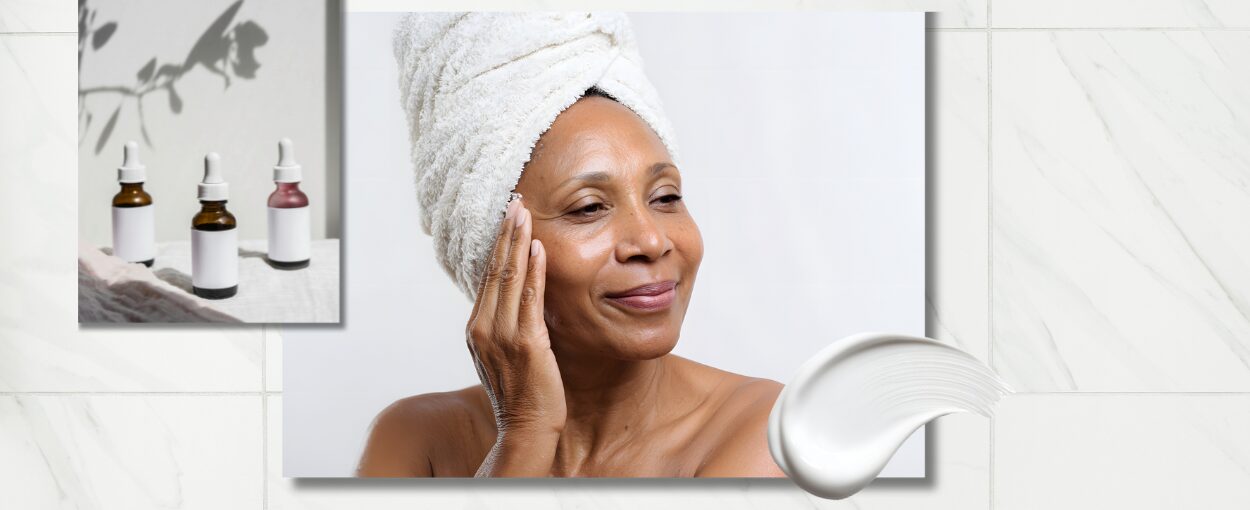
Milia – the small, raised, pearly-white or yellowish cysts that form just under the skin’s surface – can prove tricky to shift, especially as we age.
Because of their appearance, they’re often referred to as milk spots and can appear seemingly overnight.
Here, we explain why they can become so much more problematic in midlife and – more importantly – what to do about them.
Milia explained
As Dr Susie Gawler, GP and Clinical Lead for Acne and Skin at Boots Online Doctor explains, milia aren’t restricted to just the face.
“They’re commonly found around the cheeks, nose, eyes and eyelids, forehead and chest, although they can appear anywhere on the body,” she says.
Unlike spots, milia are not caused by bacteria or inflammation, and sit under the skin without redness or pus. Instead, they’re actually small cysts filled with the protein, keratin. While they’ll often disappear on their own, sometimes, they like to hang around.
What causes milia?
It can be difficult to narrow down one exact cause, but milia appear due to a build-up of dead skin cells. Almost anything that affects the skin barrier can be a culprit, from heavy creams and makeup to topical steroids, sun damage and even hormonal changes.
“Changes experienced during perimenopause and menopause play a significant role in the formation of milia”, says Helena Grzesk MBE, a wellbeing and skin expert, and trainer for ishga Skincare. “Many individuals first notice milia appearing or becoming more persistent during this time, and it’s no coincidence.”
Declining oestrogen levels causes a slowing down of cell turnover and reduction of collagen production. As a result, the skin barrier becomes thinner and less resilient, affecting how well the skin heals or renews itself.
“These changes make it more likely for keratin to become trapped under the surface, resulting in milia,” says Helena.
How to get rid of milia
Luckily, it’s not something we have to put up with. As the experts reveal, there are a number of tried-and-tested methods to banish these pesky bumps.
At-home methods
Susie suggests starting off with a gentle retinol that will help to increase skin cell turnover and unclog blocked pores.
“Chemical exfoliants, such as AHAs (like glycolic acid) and BHAs (like salicylic acid), might also help by encouraging the shedding of dead skin cells,” she says.
If you’re new to retinol, gradually build up your tolerance over time – and only use in the evening – to avoid sensitivity.
For those seeking an alternative, try applying a warm compress to the milia once or twice daily for up to 10 minutes. This can help to soften and loosen the skin, encouraging the milia to dislodge.
“For prevention and softening, gentle exfoliants and ingredients like salicylic or glycolic acid help to encourage natural skin renewal without stripping,” says Helena. “Lightweight, hydrating products that still offer deep hydration but won’t clog the skin are also key.”
When to seek expert advice
If at-home methods fail to keep milia at bay, it can be worth making an appointment with a skin specialist. They can offer more specific treatments to extract and remove the milia.
“In some cases, advanced treatments like electrolysis, cryotherapy, diathermy or plasma may be used,” says Helena. “This ensures not just results, but safety, hygiene, and long-term skin integrity.”
Keep things in check
Once things are under control, it’s important to choose skincare products wisely.
“Avoid oil-based skincare, especially around the eyes,” says Susie. “Instead stick with products that won’t clog pores.”
As mentioned earlier, helpful ingredients can be things like salicylic acid and alpha-hydroxy acids. If you’ve got milia present, avoid heavy creams, perfumed oils and too much makeup, especially in the areas where you can see bumps.
Be mindful, too, of causing further damage to the skin barrier as this can make things worse.
“Try not to over-exfoliate,” says Susie. “And, although tempting, it’s important not to pick or squeeze milia. This can cause irritation, lead to scarring and increase the risk of infection.”.
Ensuring your pillowcase is kept clean with a hot hygiene wash is another easy win for keeping complexions clear.